Introduction to my journalistic work (articles can be found below):
We live in the 21th Century.
Despite the world still being dominantly unequal in many senses, the past centuries have witnessed a significant development in equality of basic human rights in certain parts of the world, for example Europe. People of Europe, at least for most part, through long and slow historical progression, created societies where men and women have equal basic rights. There can be inequality still also. Women, for example, can often receive lower salaries or are found to occupy work positions, which are less paid than those of men. However, In my journalistic writing, I aim to tackle more profound inequalities, still largely existing in parts of the world.
I aim to investigate the fundamental human rights. This includes, to be independently able to determine one’s identity, physical integrity, romantic partner, religious and political views etc. without the fear of unjustified punishment, culturally accepted violence or even killings. Fundamental human rights connect to questions of culture, what is its current mentality, its social structures and traditions, but also how systemic structures legally and politically support fundamental equality of rights.
There are still many parts of the world, where women are expected to be submissive, considered domestic slaves and sold like broodmares. My native land Pakistan is among those countries, where women are considered inferior and have no equal basic rights compared to men. In this male dominant society, forced marriages, domestic violence and rape are a common place. The rights of women and children in these societies is one of my main topics in my writing, as I have first hand experience on it.
One reason behind this existing relation of dominance and submission is that women still have no access to basic education, so they remain ignorant and financially dependent on their men. This is a structural problem both in terms of economic power and psychological domination, which are both maintained purposefully to keep the women in a inferior position. Also legally, although there has been some positive developments in terms of tightening laws on violence against women, the enforcing (the police) and interpretation of the law is still done within a male dominant mentality and legal system, thus allowing much of this violence to exist without punishment. Thus the culture and these structural problems combined allow the violence against women to continue.
With my articles I aim to bring light to these issues so they would one day change and we could progress towards a more equal society. In this page you can find some of my articles on these topics.
Transgender rights in Pakistan
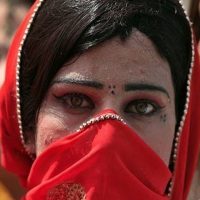
Murder, rape, beatings, insults and discrimination are constantly occurring part of life for transgender people in Pakistan. The current situation is statistically proven to be inhumane. Since 2015, 54 transgender…
Children’s rights in Pakistan
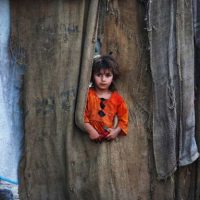
The situation of human rights in Pakistan is highly complex, because it is an under developed country with a large population and has in place the mixture of both Islamic…
The physical harassment culture in Pakistan
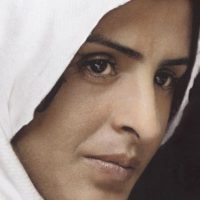
In Pakistan, approximately 70% of women face sexual abuse in their life. According to a study by Human Rights Watch, there is a rape, once every two hours and a…
The tradition of honour killing in Pakistan
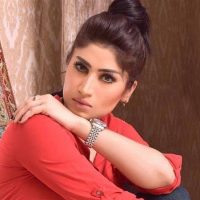
One of the most extreme form of male dominant violence, and the topic of this particular article, is honour killing that still continues in Pakistan today. What is honour killing?…