In Pakistan, approximately 70% of women face sexual abuse in their life. According to a study by Human Rights Watch, there is a rape, once every two hours and a gang rape every eight. Majority of women have to experience some form of sexual abuse, wherever they are living or working. Since sexuality is a taboo subject in Pakistan, women keep mostly silent about these experiences and carry the traumas for the rest of their lives.
Another fear, which haunts women, is the pressure of society and being judged by their family or the people. Women are not allowed to talk about even their menstrual cycle, which is quite a normal thing. Unfortunately, another abusive concept, which prevails in Pakistani society is that sex is man’s right in marriage. Women are raised with a concept that their role is to fulfil and satisfy man’s sexual desires as well as bear children. Women are financially and emotionally dependent on their men, which is a cultural way to maintains the power relation, where men are unquestionably dominant and women are submissive. In the following I will examine some cases of physical harassment, abuse and rape towards women and children in Pakistan.
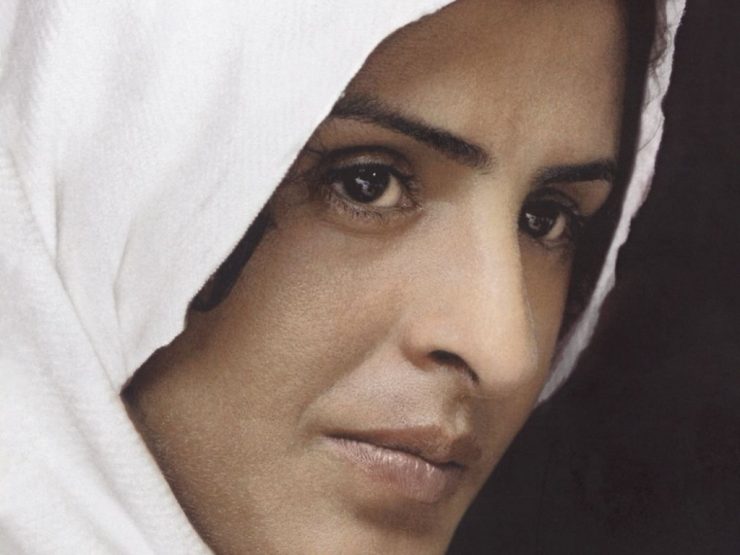
A rape case in Pakistan came to international attention, after a gang rape of Mukhtaran Mai. ‘Vani’ is a custom found in Pakistan, where girls are given to other parties or groups, as a compensation to end disputes, especially murder. Mukhtaran was a rape victim because of this custom. Her brother who was 12-years old was accused of harassing a woman of another tribe and that woman had a high social status. On her complain, two tribes called for a meeting and decided for a compensation in the form of a woman. Because they took it as a matter where their ‘honour’ is on the line, they raped Mukhtaran in front of everyone. Afterwards everyone expected her to commit suicide, but instead she spoke up and her case was highlighted by both domestic and international media.
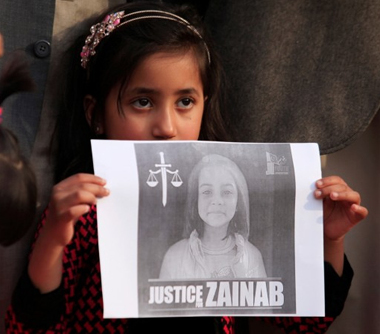
Zainab Ansari, a seven-year-old, was raped and strangled to death in Kasur, Pakistan. She got kidnapped by a 25 year old man. The medical reports showed that Zainab was raped continuously for four days. Initially the police didn’t help to find her when the family reported her missing. Later, the hashtag ‘Justice for Zainab’ took to social media and the Chief Minister of Punjab held an inquiry on the case. The criminal got arrested and sentenced to death.
Child sexual abuse is widespread in Pakistan. Many cases came into light in Kasur city where a gang was working for child porn videos and earning millions by selling it to different websites. Almost 300 children were sexually abused and the police did nothing in this case, as the opposite party was financially very strong. No one took a stand against it.
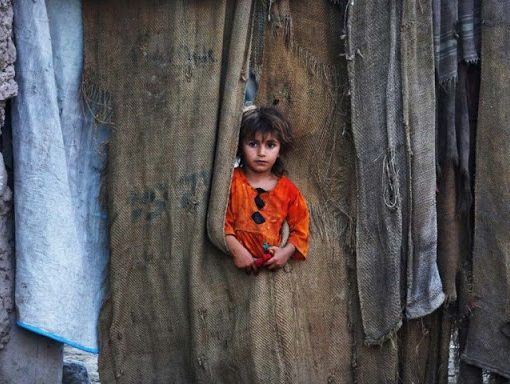
I restrain from using illustrative images of the child victims of this violence in order to respect their anonymity and/or memory.
Pakistan is a country where children are raped in schools. Muhimman, 11 year old was a good student and wanted to be a doctor. He was raped by his teacher who was a cleric in that religious school. Religious clerics are a powerful group in Pakistan and they hide themselves by accusing victims of blasphemy or defamation of the religion.
A video went viral on social media, where a young boy was physically harassing a six-year-old girl. CCTV footage was found and authorities took action against it. Another video was seen where a 7-year-old was found in the field of city Kasur, where a young boy was trying to rape her. In that case the landowners caught him red handed.
Child rape gets more media attention in Pakistan. It is known that every year, not only hundreds, in fact thousand, of children are raped. According to a survey, 4 000 child rape cases were found between 2012-17 only in one province of Pakistan, Punjab.
13-year-old Maryam, who lived in Karachi, was raped by her stepfather and uncle. Not only Maryam, but also her two younger sisters were raped and harassed by both, the stepfather and the uncle. The children were blackmailed not to say a word against them. The case has been overlooked by the authorities.
Zulaikha 23, and her mother Bano 55, share a dark secret. Zulaikha was raped by her neighbour when she was just 13. Her mother took her to a doctor and the doctor stitched her hymen, assuring that she was not pregnant. Her mother requested the doctor not to tell about this incident to anyone as it would bring shame to her family. This is one of the dilemmas related to the topic that parents don’t talk about physical harassment or rape, which increases the suffering of the children who are the victims. Of course one of the reasons is that is it very difficult to report or talk about these cases within a culture, which is so male dominated that the victims will most probably be condemned.
Pakistan is a country where girls are not safe even in their own houses. Their lives are under threat. Many women are victims of molestation but they don’t say a word against it. And if they say, they have been killed on the name of honour as I bring out in my article on honour killing.
It is claimed that women wear short clothes and tempt men. But in many cases the women are doing everything not to tempt the men, including wearing clothes that cover everything but the face or the eyes, according to Islamic Religion, but still they are constantly physically harassed. Women are not safe in any way. Daughters are not safe from their fathers and relatives, students are not safe from their teachers. Women are not safe even in their graves. Recently a case came to publicity, where a man living near a graveyard, rapes the dead women in their graves.
In Pakistan, women are more scared of police instead of relying on them for protection. It is reported that many women are physically harassed during their custody in jail. Only those women who are educated and have high social status can seek justice in their cases of harassment. For majority of the women, being part of a patriarchal society and a very hierarchical one, it leaves thin chances for justice. They are destined to face many different types of abuse and all sorts of human rights violations, without a complain. The worst part is that harassment against women is not recognised as a serious crime.
Also the most common and daily form of harassment, and thus one of the most important issues, as it is so massive, is verbal and physical harassment on the streets and public spaces. This sort of behaviour from men is socially accepted. Traveling in a bus, a driver commonly harass women. They touch their hands or other body parts inappropriately. Women can’t go alone outside without the fear of verbal and physical harassment. In the markets or on the roads, women have to suffer and bear constant fear of harassment. They cannot wait alone on a bus stand. They cannot go alone to any public spaces, especially at night. They also face harassment at their work place and usually they don’t take stand against it because of the fear of losing their job.
By Anum Hassan