One of the most extreme form of male dominant violence, and the topic of this particular article, is honour killing that still continues in Pakistan today.
What is honour killing? To kill someone, particularly women, and to feel moral and legal righteousness to do so, by a male member of a family or a social circle, claiming that the victim has brought “dishonour” to a male individual, family name or prestige. Pakistan has one of the highest number of documented and estimated honour killings, per capita, of any country in the world. Women don’t enjoy the right of freedom of speech or deciding over their own lives, and if they do, they are often killed by the dominant men of their surrounding society.
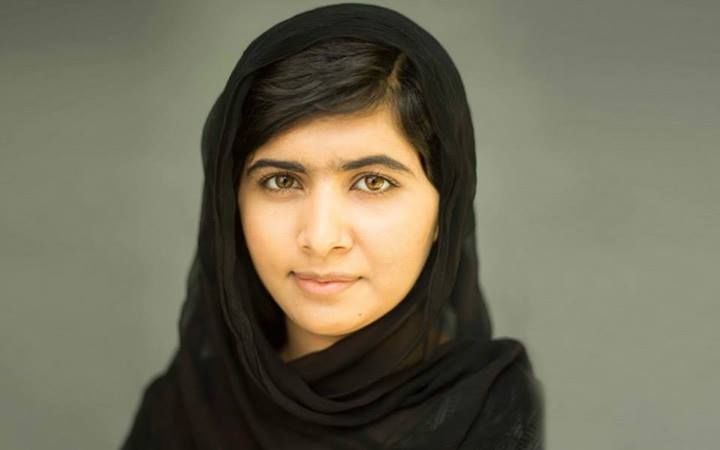
This society even kills women for going to school, for trying to educate themselves. A 14-year old girl Malala Yousafzai was shot in her neck by a man in 2012, because she was going to take her educational exam. Malala was rescued by the UK government by giving her an asylum, as her life is under threat in Pakistan. After the incident became international news, she has since became a celebrity of women’s rights and graduated from Oxford University. We need this sort of public figures for the upcoming youth in Pakistan, and other countries where this goes on, as inspiration for this culture to slowly change.
One part of honour killing is where women are killed for not bringing dowry. In ancient times, dowry was given to groom and his family in exchange of a bride to ensure that she is taken care of and comfortable and also brides have to leave their houses to live with their husbands for the rest of their lives. So, dowry is an amount of money or property brought by women for their husbands and in-laws. Many women in Pakistan stay unmarried, because they are poor and cannot afford dowry. On the other hand, there are also women who are forced to bring a large amount of dowry and if they don’t, they are killed. In Pakistan, dowry is a part of the culture and also it is taken as an Islamic obligation.
On April 17, 2019, a newly wed woman named Ayesha was killed by her in-laws for bringing insufficient dowry. The father of the deceased woman said that the husband and in-laws of Ayesha, after learning about the insufficient dowry, started torturing her and she eventually lost her life. Men in Pakistan they take dowry as their pride and when women are unable to bring a large amount of dowry, it hurts their pride and subsequently, they kill them. There are plenty of other examples of dowry deaths in Pakistan.
Also, for example, acid attacks against women in Pakistan, on the basis of male honour, are a still existing activity. Honour killings are a common way of revenge in Pakistan. November 2012, a brutal acid attack happened on 15-year-old Anusha in Muzzafabad, Pakistan, which became public news. She was attacked, because her parents suspected her of looking at boys. They took it as a shame to their honour and throw acid on her face. She eventually died, as she was 70 percent burned.
In general these attacks happen when a man proposes marriage and if the woman refuses to marry, they feel shame or their pride being hurt and attack them. Most husbands also mistrust their wives and consider them fundamentally disloyal and unfaithful. They consider women their personal property and destroy their faces in their paranoid suspicion or anger, so that the women are no longer beautiful for other men.
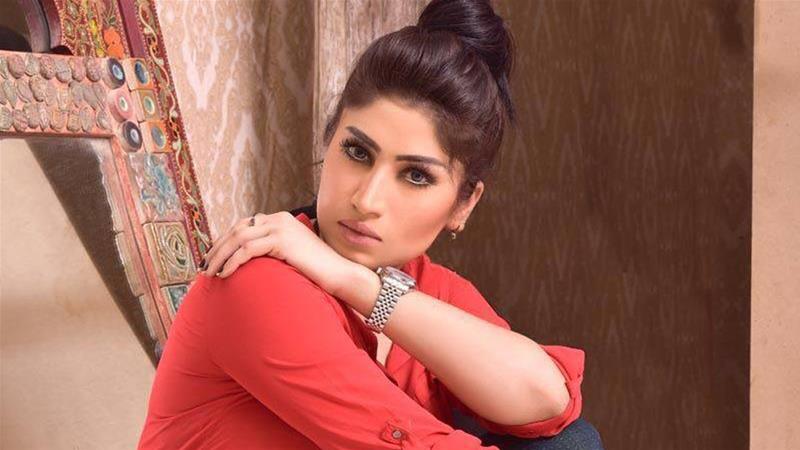
Honour killings can be also connected to speaking out in a society where you don’t enjoy freedom of speech. Qandeel Baloch, a social media star, who was known for her daring posts, was killed by her brother on the name of bringing shame to the family. Earlier, she was forced to marriage in her village and later she got divorced and moved to city. She broke certain expectations and started to live her life on her own terms, mainly through social media. She started making videos and with it supported her family financially. Her only fault was that she showed her body partly by wearing short clothes and expressed her thoughts about society and people. Her brother killed her by pressing her neck and gave a statement after her death. He said that people around him made him realise that her sister is a symbol of vulgarity and shame, so better kill her. One of them said: ‘your sister is singing and dancing in knickers and you’re living a luxurious life on the money she earns. You have no ghairat (Honour)?’ As a result he killed his sister, who stood for women’s rights and independence.
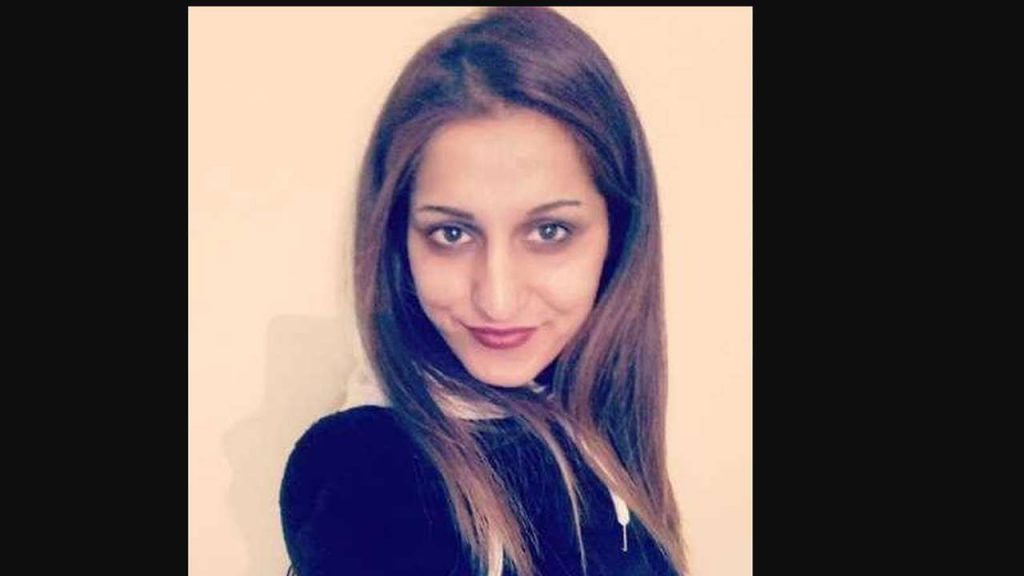
Honour killings can also be connected to the right to marry a partner of one’s own choice. Women have been forced to marry for centuries according to their parents choice. Sana Cheema, a 25-year old Brescian of Pakistani origin was murdered on the name of honour killing. She refused for arranged marriage and was killed by her father and brother. Her father was arrested later. The family tried to hide the truth of her murder by saying that she died because of unspecified illness, but later the case went viral on social media and human rights minister of Pakistan took notice of it.
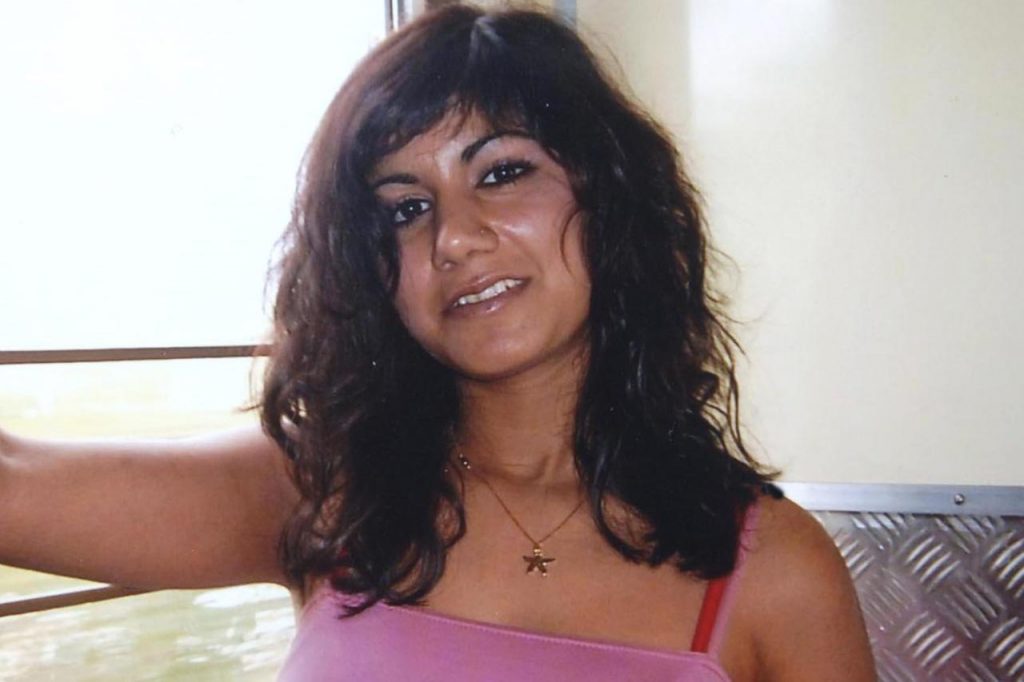
Another example of a similar honour killing is a girl who was born in Pakistan, but raised in Italy named Hina Saleem, who was murdered because she chose a western lifestyle. Her father took it as a shame and dishonour to their family name and killed her daughter by pressing her neck 28 times. Later, he buried her dead body in the back garden of his house.
Pakistan is a society where women are also killed even for not giving birth to male child. They have to bear torture and domestic violence for giving birth to daughters. 56 women were killed in 2013, for giving birth to girls. On April 4, 2011, Najma lost her life, because of the pressure from her husband and in-laws for giving birth to a boy. She gave birth to three daughters and became anaemic. She risked her life in the hope of giving birth to a baby boy, although her in-laws gave her hardly enough food to eat. The doctors had to do a surgery and she couldn’t survive because of excessive loss of blood and high blood pressure.
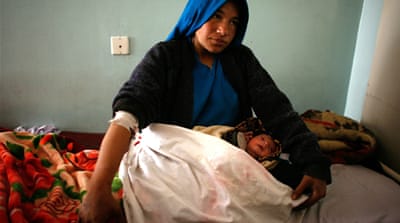
Can a society where women are killed for giving birth to baby girls be considered an ethical society?
Seeking justice for honour killing is extremely problematic in Pakistan. Women are scared of the police and they don’t go to the police station or report abuse, for the fear of physical harassment or rape. And if they are not scared of further harassment, the system is still very problematic. People have to go through a lot of trials to get justice and many of the times their lives are threatened constantly.
These women’s rights are fundamental human rights. A right to live, if you choose your own path, a right to live, if you biologically, independent of your will, give birth to a girl, a right to live when you freely express your opinion. Unfortunately in Pakistan these fundamental rights are at stake. Instead of positive developments towards a equal society at least on the most fundamental level, it is estimated that every year, the ratio of honour killings, domestic violence, acid attacks, forced marriage, rape and sexual harassment is increasing.
by Anum Hassan