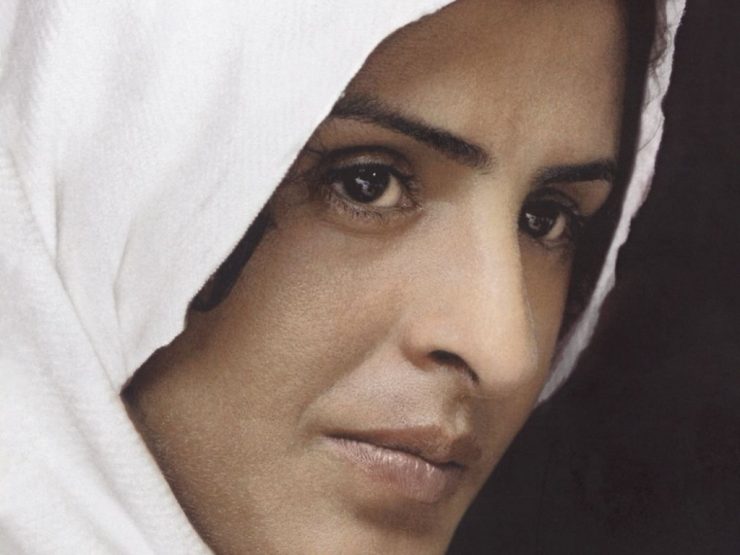
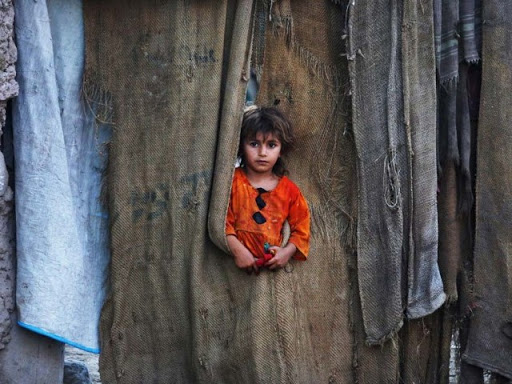
Murder, rape, beatings, insults and discrimination are constantly occurring part of life for transgender people in Pakistan. The current situation is statistically proven to be inhumane. Since 2015, 54 transgender people have been murdered and around 400 have suffered beatings, only in the KPK province.
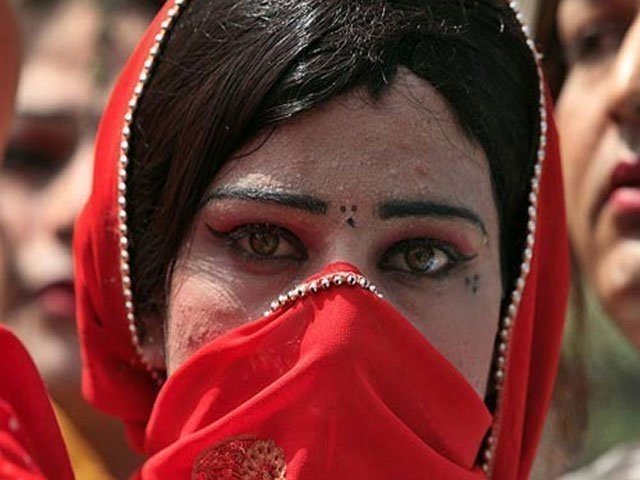
The reasons behind these hate crimes and mistreatment are several and deeply rooted in the culture and mentality. The problem usually starts already in the family, where the families of transgender people do not support them and in the society at large, very few people stands up for their rights. They are also in fear of violence from the officials and the authorities. Most of them are completely rejected by their traditionally minded families.
Even their mothers don’t wish to associate with them. The social stigma attached to having a transgender child triumphs even over family bond. As the family and society rejects them, some find refuge in communities, where usually a guru (a social leader) plays the role of replaced authority. This dependency to a closed community or a guru can also put them in a further fragile social and psychological position.
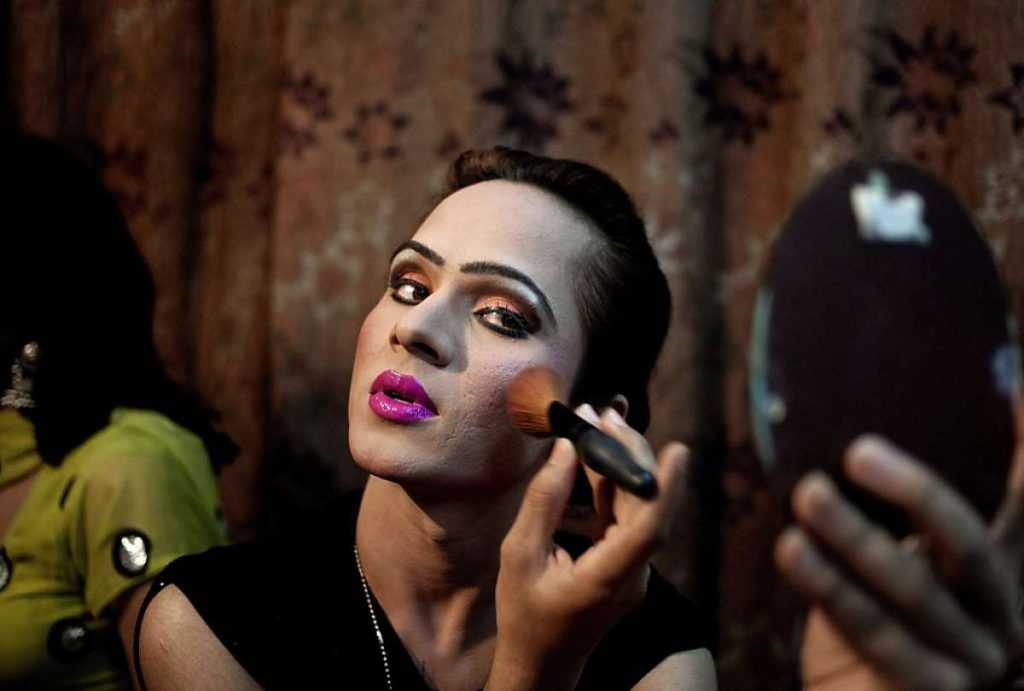
The rejection by family and society leads to marginalisation and many transgender people are forced to earn a living either as entertainers, beggars and/or prostitutes. They are usually addressed with names that are considered offensive and insulting. In more respectable gatherings however, they are addressed as a third gender and in Pakistan’s national language Urdu, they are occasionally called ‘Khawaja Saran’, which is considered more polite and respected. Other terms are ‘Khusra’ ‘Khusri’ and ‘Hijra’ ‘Hijri’, which are all are considered offensive. Gender activists in Pakistan have promoted the term ‘Khawajan Saran’ as the currently politically correct term.
The current situation of transgender people in Pakistan is still in flux, as stereotypical taboos and norms continue to prevail. The society lacks social awareness and acceptance, which results in continuous mental, physical and emotional violence towards transgender people. A brutal ‘Sialkot incident’ is a reflection of the cruelty of the violent problems faced by transgender people in Pakistan. A group of men took several transgender people hostage and violated them throughout the night. The victims were brutally tortured, gang raped, burned with cigarettes, etc. The abuse was taped by the tormentors themselves and leaked into social media, to add to the humiliation of the victims.
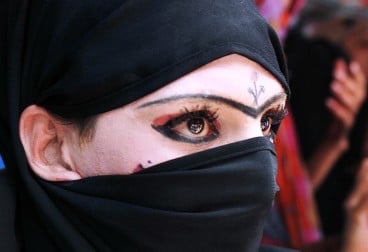
One reason they are thus despised and discriminated is because of their involvement in sex work, which has a feared reputation in the traditional society. There was a time when transgender women, who belonged to the Hijra culture were respected. People used to consider them as good and pious individuals who usually survived on charity. However this has since then changed and now the internet, and social media in particular, has increased the ratio of transgender people in sex work.
Apart from harassment, the transgender community falls victim to lack of educational and work opportunities. Since the transgender community is not publicly accepted in Pakistan, they have limited opportunities in comparison to everyone else. A good example is Riffie Khan, a transgender person who has a double master’s degree. Despite her academic accomplishment, she was not able to hold a job, because of her gender orientation. Riffie was working in the Central Medical Karachi, way below her academic capacity and still she was forced to leave that job as she was not considered to fit in.
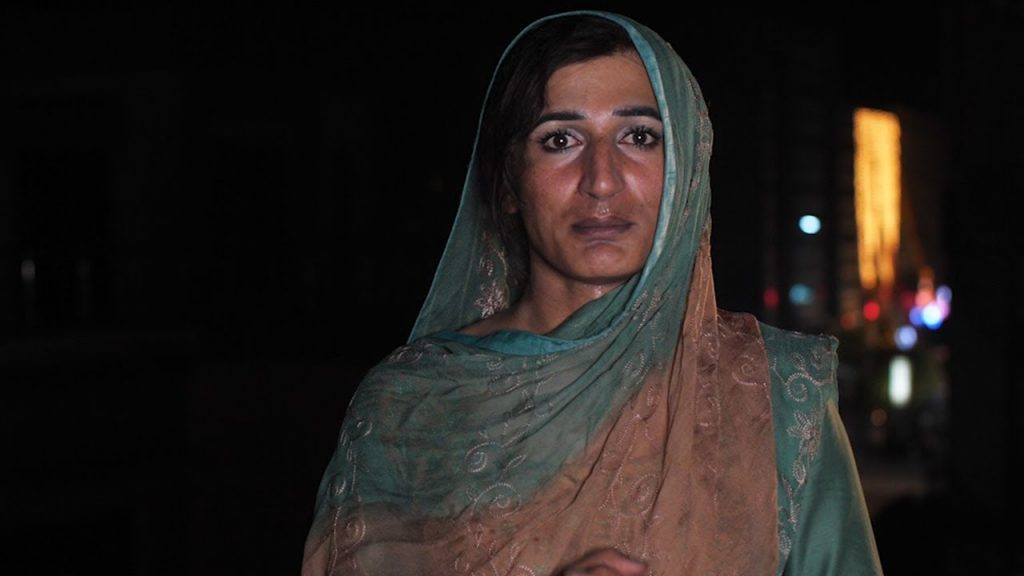
Riffie is just one example of numerous transgender people in Pakistan who suffer from discrimination in their professional and personal lives. As Riffei says, ‘Its the educated people that upsets me the most, when they discriminate against people like me, it hurts even more.’