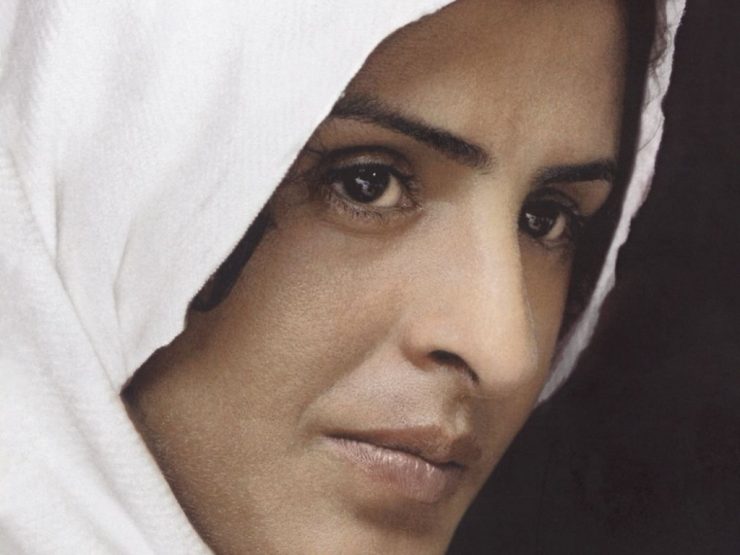
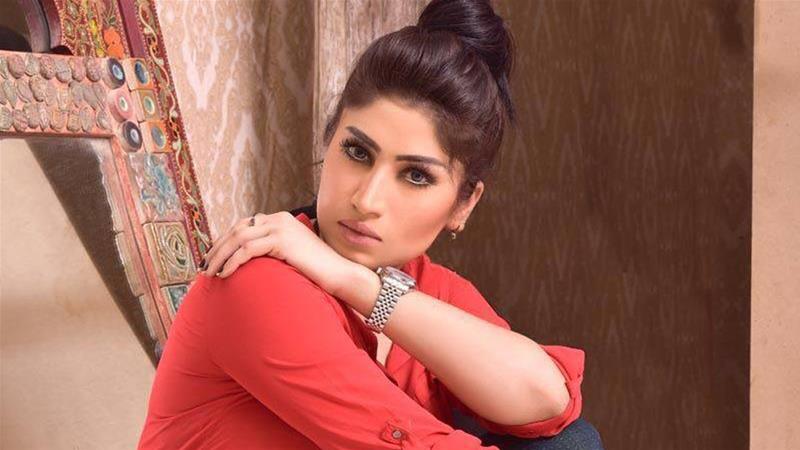
The situation of human rights in Pakistan is highly complex, because it is an under developed country with a large population and has in place the mixture of both Islamic and secular law. The constitution of Pakistan provides laws such as freedom of speech, freedom of thought, freedom of action, but unfortunately these laws are not respected in practice. Human rights should be enjoyed by humans just because they are humans.
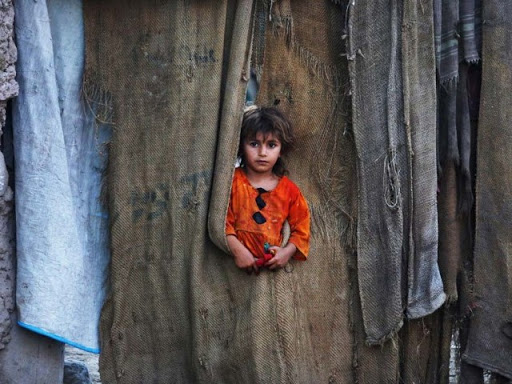
In Pakistan, children are deprived of the basic human rights such as survival, education, health and protection. They are suffering to fulfil their needs. Their lives are at stake, facing sexual assault, child marriage and labour. The situation is worse in rural areas, where they are deprived of clean water, food, education and health services.
Children’s right to health is endangered from birth. Approximately, one out of six dies for not having access to clean water and supplies. Everyday many children die because of diarrhoea and illness related to water, sanitation and hygiene. Children also suffer from stunted growth issues for not having enough food. Access to care is a great challenge in rural areas where people can’t afford the primary healthcare. 11 million children are working in farms, agriculture and textile industry. Child labour is a significant factor in health problems. They work in a very cramped conditioned and places that are threatening to their health. This applies also to many performing domestic labour. Its not uncommon for them to suffer from iron deficiency, respiratory and vision problems.
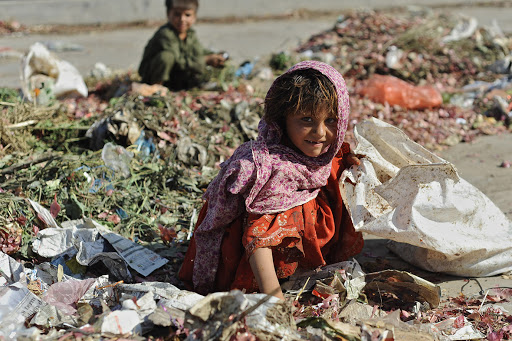
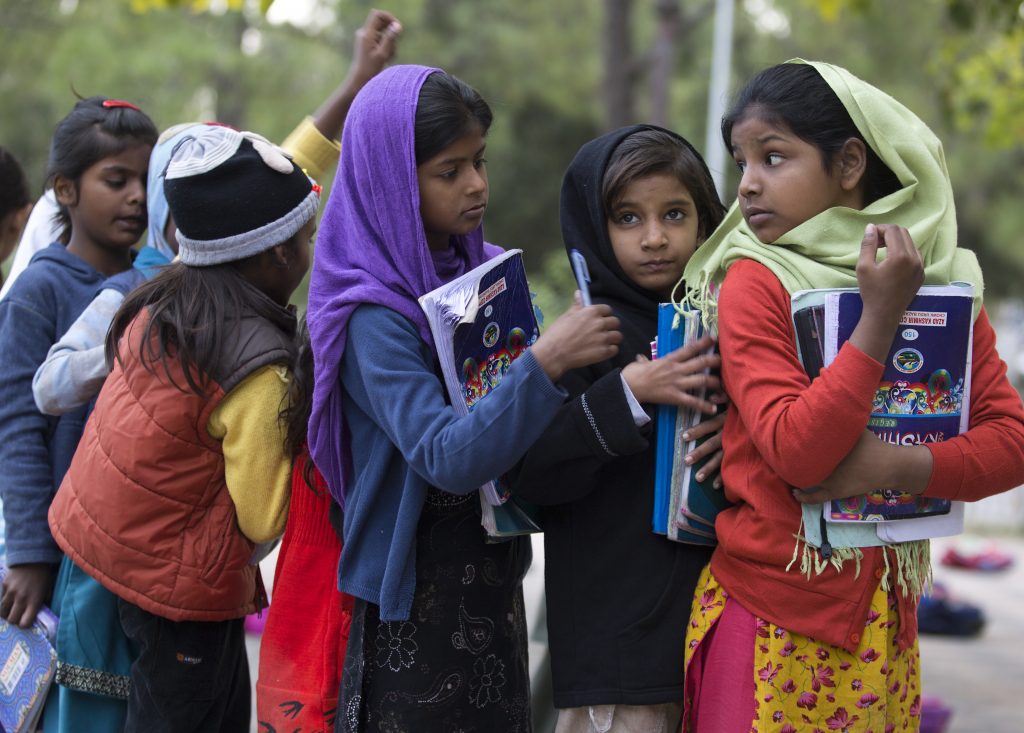
Pakistan’s education is improving, but not advanced, yet. Many children are unable to go even to primary schools. The difficulties of education are numerous, including chronic economic crisis, lack of basic infrastructure, lack of toilets, chairs, tables and books, etc. The teachers are under qualified, so many children leave the school without knowing how to read and write. Also the Afghani refugee children are invisible by Pakistani Law, their birth are not recorded so they are deprived of the right of education and have to work to survive.
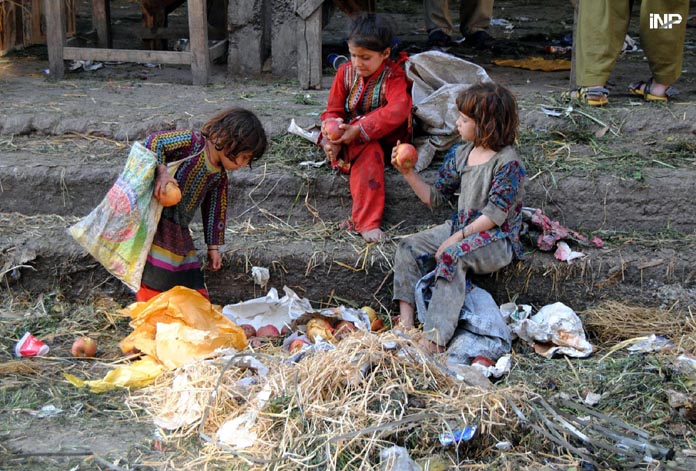
In Pakistan, many children are invisible as their births are not recorded. 70% of child deliveries are not registered. Among them, many children who are called illegal (before marriage) are found on the heaps of garbage as people leave them there. They are not recognised by anyone. Birth registration is actually a fundamental right as it provides them name, nationality and parentage. It also provides them a proof of identity. Birth registry of children is the biggest obstacle in Pakistan as the deliveries of children are not reported to the Pakistani public authorities.
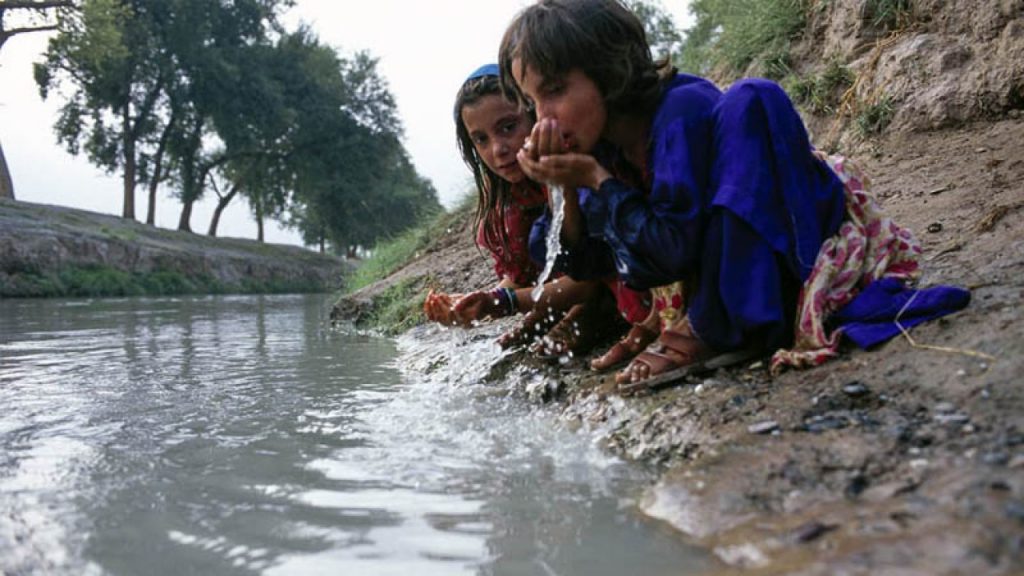
Sufficient nutrition and a constant supply of water are essential for a child’s development, and the absence of these elements can directly impact the child’s health. Not only the child, but if the mother suffers from poor nutrition, it may significantly affect the baby in the womb or the child that is being breastfed. Some of the most prevalent problems that cause child deaths are malnutrition and the inability to access clean, fresh, and consistent water. Pakistan is in third place globally for acute water shortage. Each day, approximately a 1000 children die because of diarrhoea and illnesses due to quality of water.
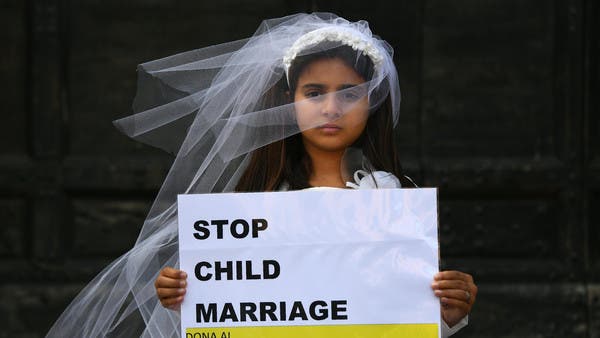
The natural disasters always have negative effects on people in Pakistan and especially for those who are already in poverty. Law concerning child marriage is already constantly being broken, but after the crises, it became more increasingly common for the girls to marry below 16 and boys below 18. It happens because of the increasing rate of poverty and growing number of families that are unable to look after their children.
Main reasons to this are the lack of awareness among children, parents and society. Also the absence of legal protection of children in the “Child Marriage Restraint Act” is being overlooked by both the government and families. A significant amount, 32%, of marriages in Pakistan are actually child marriages. For example, in rural areas, sometimes you can even observe a practice called “Vani Marriages”, which involves giving your daughter in marriage to settle a dispute or a debt between two parties. “The aggressor” offers one of his family’s daughters in compensation for a wrong caused. These marriages are very dangerous for the health of young girls who, as a result, run the risk of domestic violence, servitude, rapes and increasing possibility of child trafficking.
Altogether, taking into account the inadequate support the government is providing for the development of the children, both mentally and physically, the children are born into a system, which risks healthy development of the individuals.